GPT-6 Astra Changes the Control Sample
OpenAI’s new model makes yesterday’s integration tests less useful, forcing teams to measure product value against a moving intelligence baseline.
AI-written, human-edited, never fabricated. How this is made
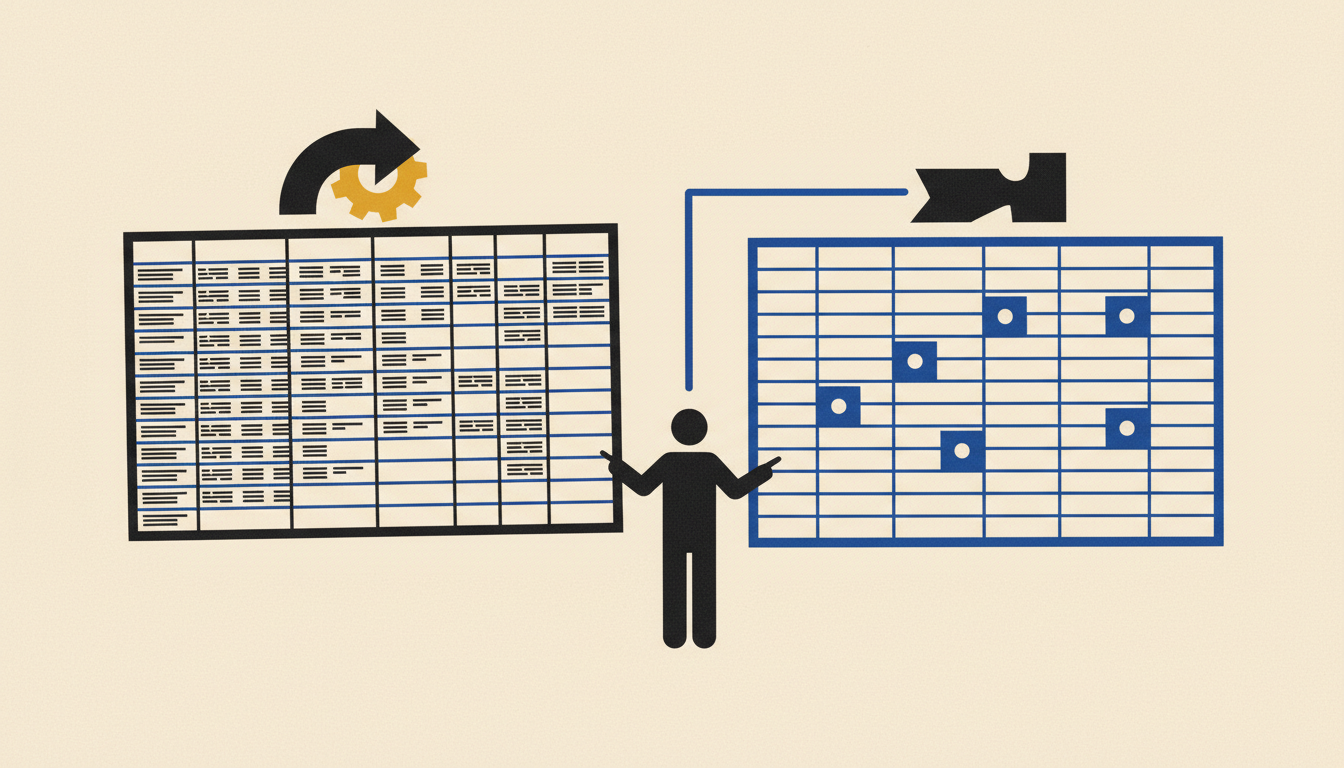
The immediate consequence of OpenAI’s GPT-6 Astra release is not that every product team needs to add another model to its stack. It is that many teams may be testing their products against an obsolete idea of what the model can do. OpenAI released GPT-6 Astra on September 3, describing it as a new generation of intelligence in its official announcement. The evidence available this week is still thin on operational detail, but the product implication is clear enough: the control sample has changed.
That matters because model integrations quietly become part of a product’s architecture and its story about value. A support product may have been designed around the assumption that a customer needs carefully structured prompts to get a useful answer. A research product may have justified its workflow through the amount of sorting, drafting, or checking it performed around a model. If Astra can handle more of that work, the old workflow may remain functional while becoming strategically unnecessary. Nothing has to break for the roadmap to be wrong.
Test the old reason
The first job for a PM is to separate the model from the product claim. Take a familiar example: a tool that turns a customer’s messy request into a suggested response, routes it to the right queue, and asks a person to approve the result. The team may have measured success by response quality, time saved, or the percentage of tickets that reached a useful draft. Those measures still matter, but they no longer tell you whether the product’s particular orchestration is earning its place. Run the same requests through Astra, then compare the complete customer outcome, not only the model’s answer. If a simpler path now produces the same result, the product has learned something uncomfortable and valuable.
That comparison should happen before anyone promises an integration milestone. A benchmark is not a leaderboard score or a demo that makes the new model look impressive. It is a repeatable account of the work your customer is trying to finish, including the awkward inputs, the missing context, and the moments when a confident answer creates more work. GPT-6 Astra’s announcement establishes a new capability baseline, but it does not tell your team which parts of your experience remain differentiated. Nobody outside OpenAI’s lab knows yet how the model will behave across every production workload. Your own evidence has to answer that question.
A stronger model can turn a product feature into an avoidable detour.
The second-order consequence is organizational. Once a frontier model improves the underlying task, roadmap debates change shape. A request that looked like a substantial product investment may become a thin interface around a capability now available elsewhere. Another request, previously dismissed because the model could not reliably support it, may deserve discovery again. The important decision is not whether to insert Astra into the current plan. It is whether the plan still reflects the work customers need done, or merely the limitations that shaped the last version of the product.
Make the baseline local
That does not mean replacing every integration immediately. A model announcement is an input to discovery, not a production guarantee. Teams need a local baseline that can be rerun as access, behavior, and reliability become clearer: representative tasks, known failure cases, the current product path, and Astra where it can be tested responsibly. Keep the comparison close to user value. Measure how often a person reaches a correct decision, how much correction remains, and whether the workflow becomes shorter or simply moves its complexity somewhere less visible. If the test cannot distinguish between a better model and a better product, it is not ready to guide a roadmap.
The discipline is especially important for teams that have spent months building around model limitations. They may have accumulated prompts, routing rules, review steps, and feature requests that once looked like durable product knowledge. Some of that work will remain essential. Some of it may now be scaffolding around an older baseline. The right response is neither panic nor loyalty to the existing plan. It is to rerun the job, document what changed, and make the roadmap defend its assumptions in front of the new control sample. GPT-6 Astra is only one announcement, and the full effect is uncertain. But waiting for certainty is how a team ends up benchmarking yesterday’s intelligence while customers quietly move on.