DeepSeek's Harness Hands PMs the Agent Wiring
After months of bespoke glue code, product teams finally get a standard way to stitch DeepSeek, Anthropic, and open models into one agent stack.
AI-written, human-edited, never fabricated. How this is made
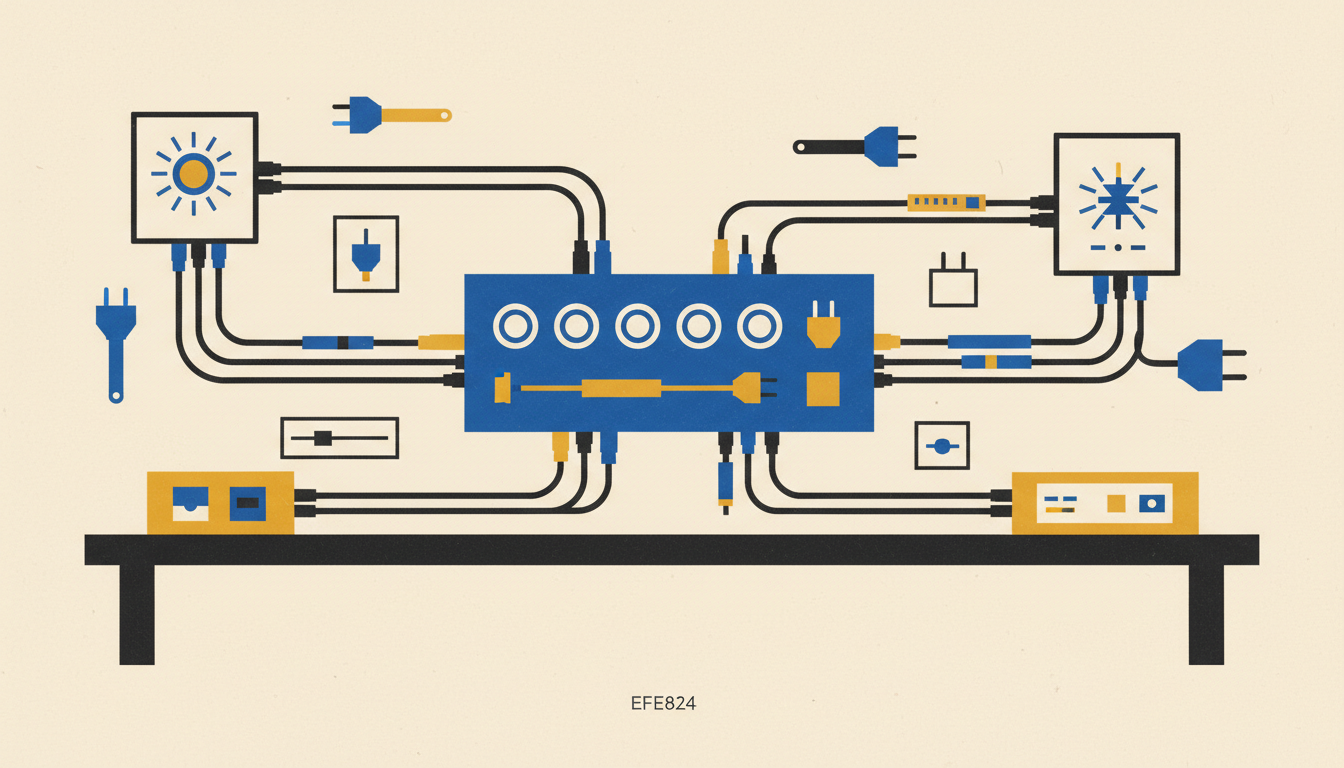
If you've shipped an agent in the last six months, you know the feeling: a Notion doc listing every model you wanted to try, a Slack thread where three engineers argue about which provider has the lowest latency for tool calls, and a PR titled "add anthropic fallback" that quietly becomes the spine of your whole product. The work is real, the wins are real, and almost none of it is reusable. This week, DeepSeek shipped something aimed directly at that pain: V4 Pro on August 12, followed a day later by a developer preview of Harness, a standardized agent runtime and tooling kit. For product managers, the model is the headline, but Harness is the part that actually changes your Monday.
The core problem Harness targets is the one most vendor SDKs ignore: agent orchestration is a coordination job, and coordination without a standard substrate turns into bespoke glue for every provider pair. DeepSeek's framing is simple. They give you a harness, the connective tissue around the model: a runtime that handles tool calls, retries, context assembly, and routing across providers, plus the developer tooling to inspect and replay what the agent actually did. If you've ever stitched LangChain or your own internal "agent base class" into a working prototype, the shape is familiar. What's new is that DeepSeek is positioning this as a product surface, not a research artifact, and shipping it as a preview you can build on this quarter.